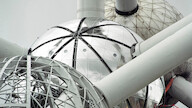
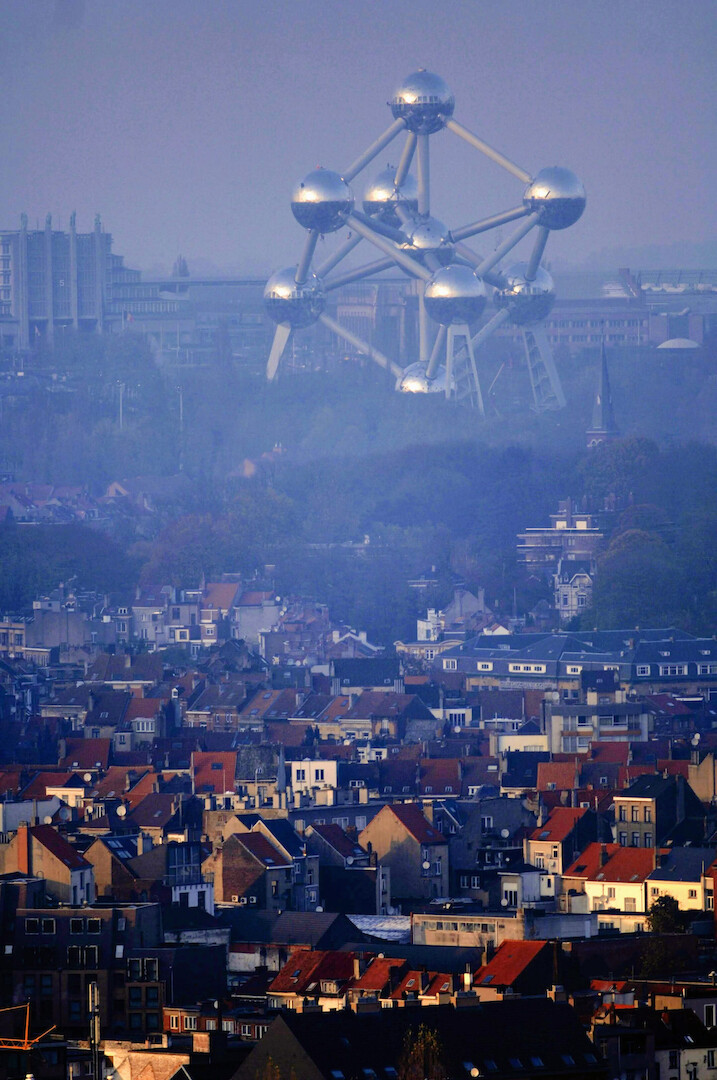
The Atomium was designed for the 1958 World’s Fair in Brussels, at a time marked by optimism, belief in progress and an unshakeable faith in science and technology. The steel structure, shaped like an iron crystal with nine spheres each 18 metres in diameter, was originally conceived as a temporary building. It was constructed using materials and techniques intended to last no more than six months. In the early 2000s, Sylvie Bruyninckx, founder of VIVA Architecture, worked as partner project architect at Conix Architects on the update of the Atomium, both in terms of visitor experience and restoration—a process that celebrates its 20th anniversary in 2026.
Full textIn the first phase of the competition, launched in early 2004, the internal experience of the spheres took centre stage. After visiting the severely deteriorated Atomium, the design team approached the brief in terms of the emotional and spatial experience of the building. Concepts such as infinity, dynamism, light and the pronounced “sphere feeling” formed the starting point. The core idea was that each sphere should evoke its own atmosphere and emotion, so that a visit to the Atomium would feel like a continuous scenographic journey.
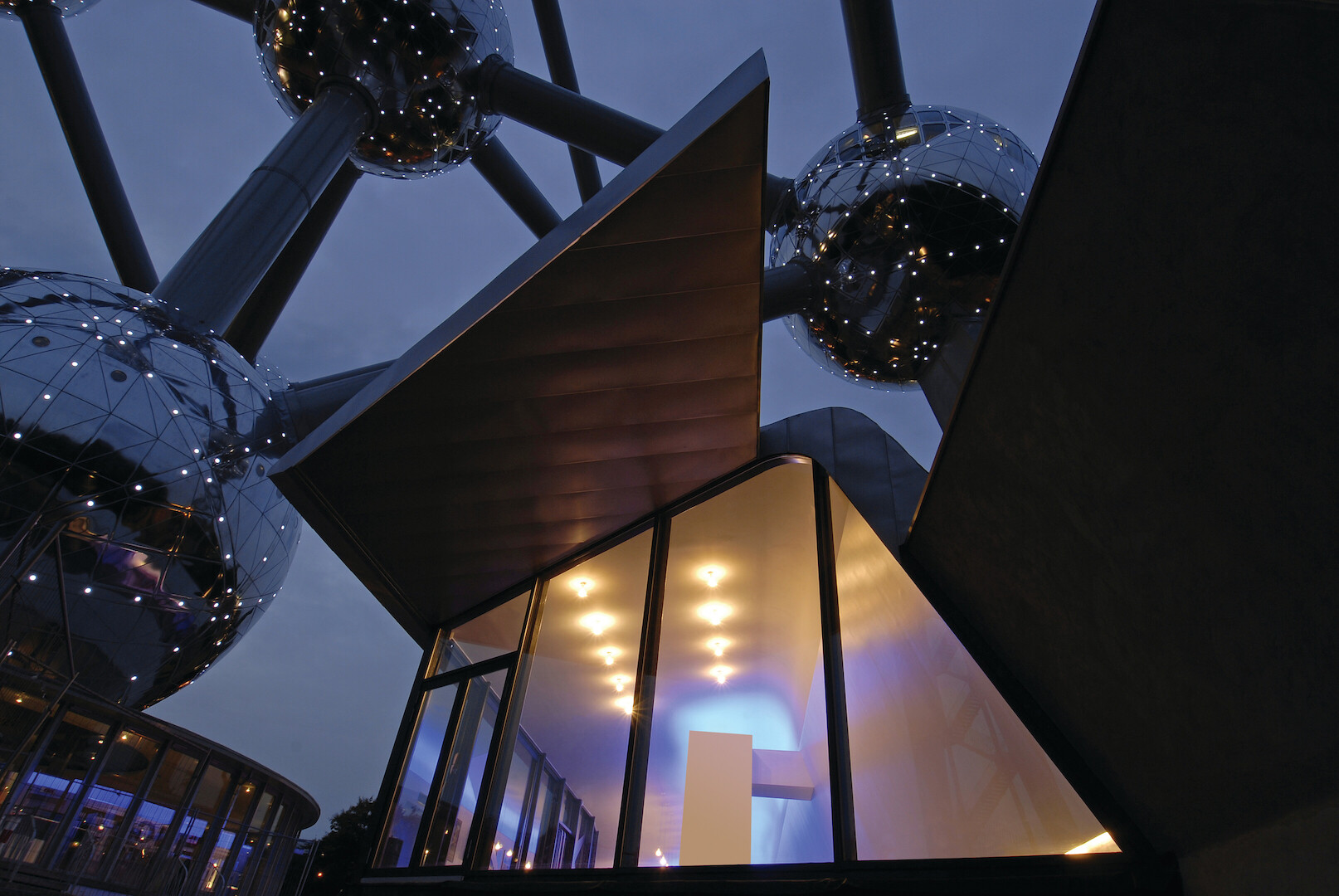
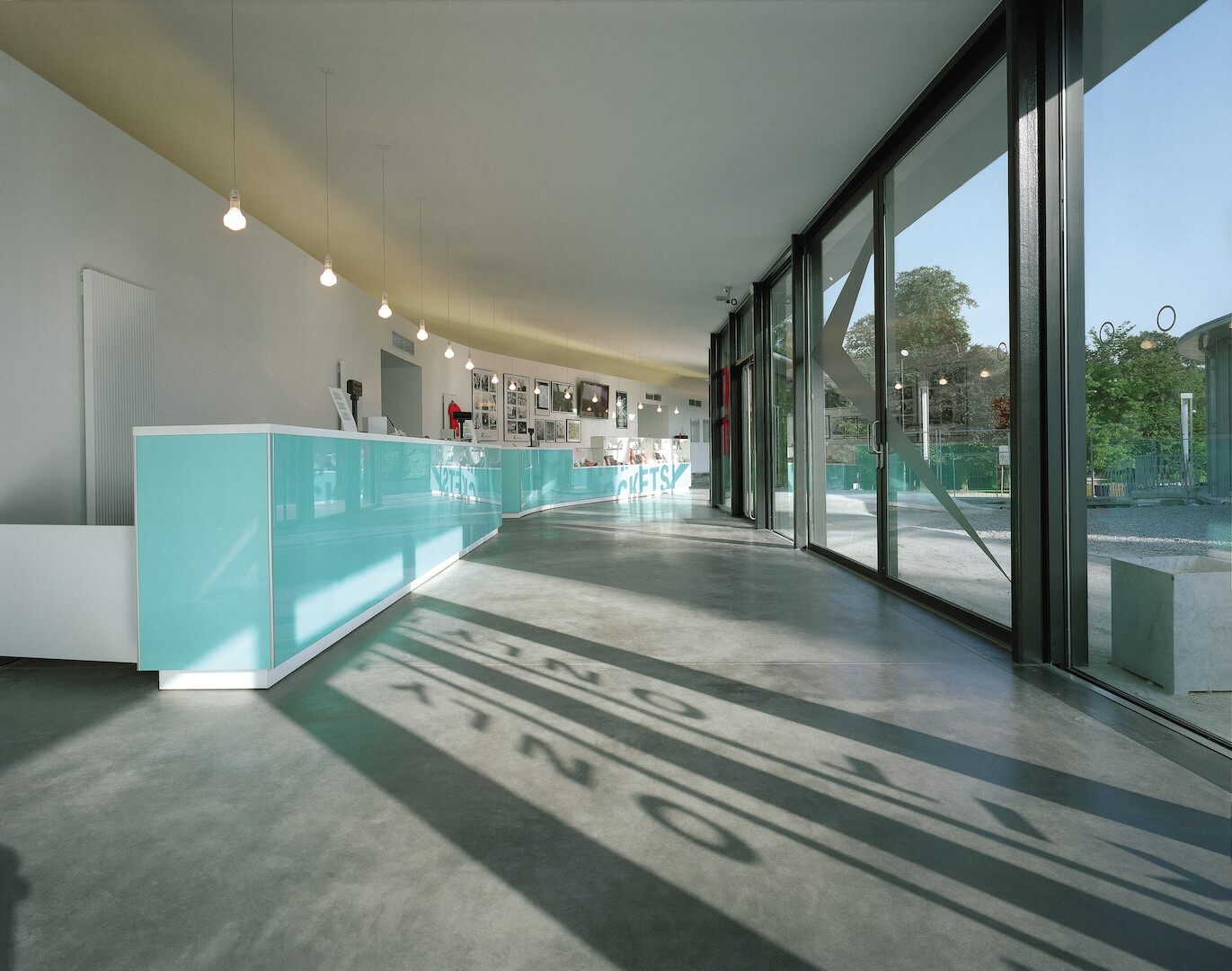
In the second phase of the competition, the focus shifted to arrival on the site and the external experience. The designers were asked to develop a proposal for the entrance and the redevelopment of the “Galette”, the disc-shaped space beneath the lowest sphere that originally served as the access and ticketing area. The Atomium was placed within a broader urban context. By connecting interior and exterior spaces, the concept emerged of a new esplanade, the opening up of the Galette and the addition of a discreet reception pavilion. Today, this new pavilion organizes ticketing and visitor flows without detracting attention from the Atomium itself.
The execution of the actual renovation (2004–2006) aimed to restore and update the Expo 58 monument, with respect for the original design by engineer André Waterkeyn. One central question guided the project: how do you renovate an icon that was never designed to last, without losing its original meaning? Sylvie Bruyninckx was closely involved in addressing this challenge. “This project shaped me both professionally and personally. What was intended for Expo ’58 as a temporary experiment has grown into an architectural icon that continues to inspire.”
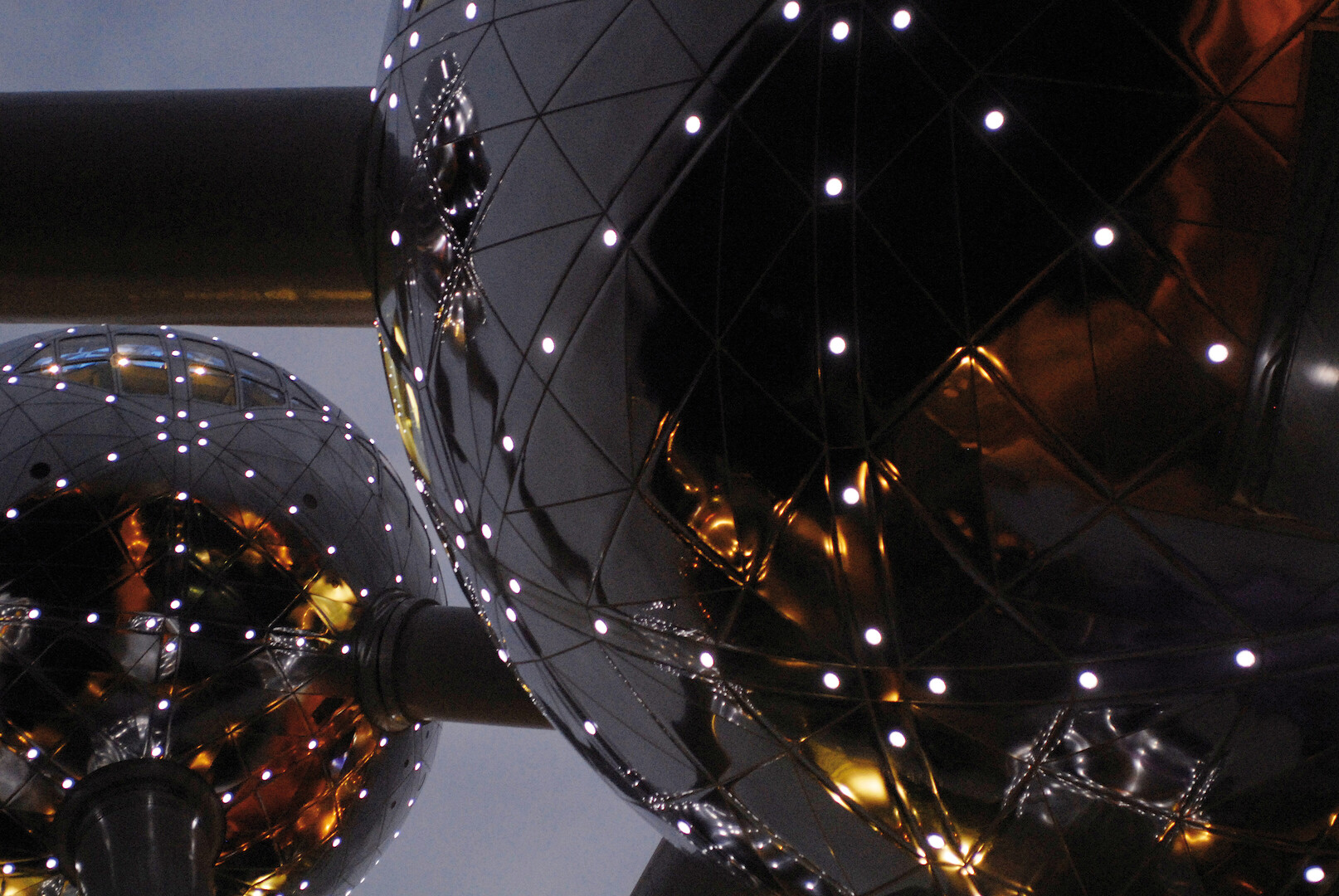
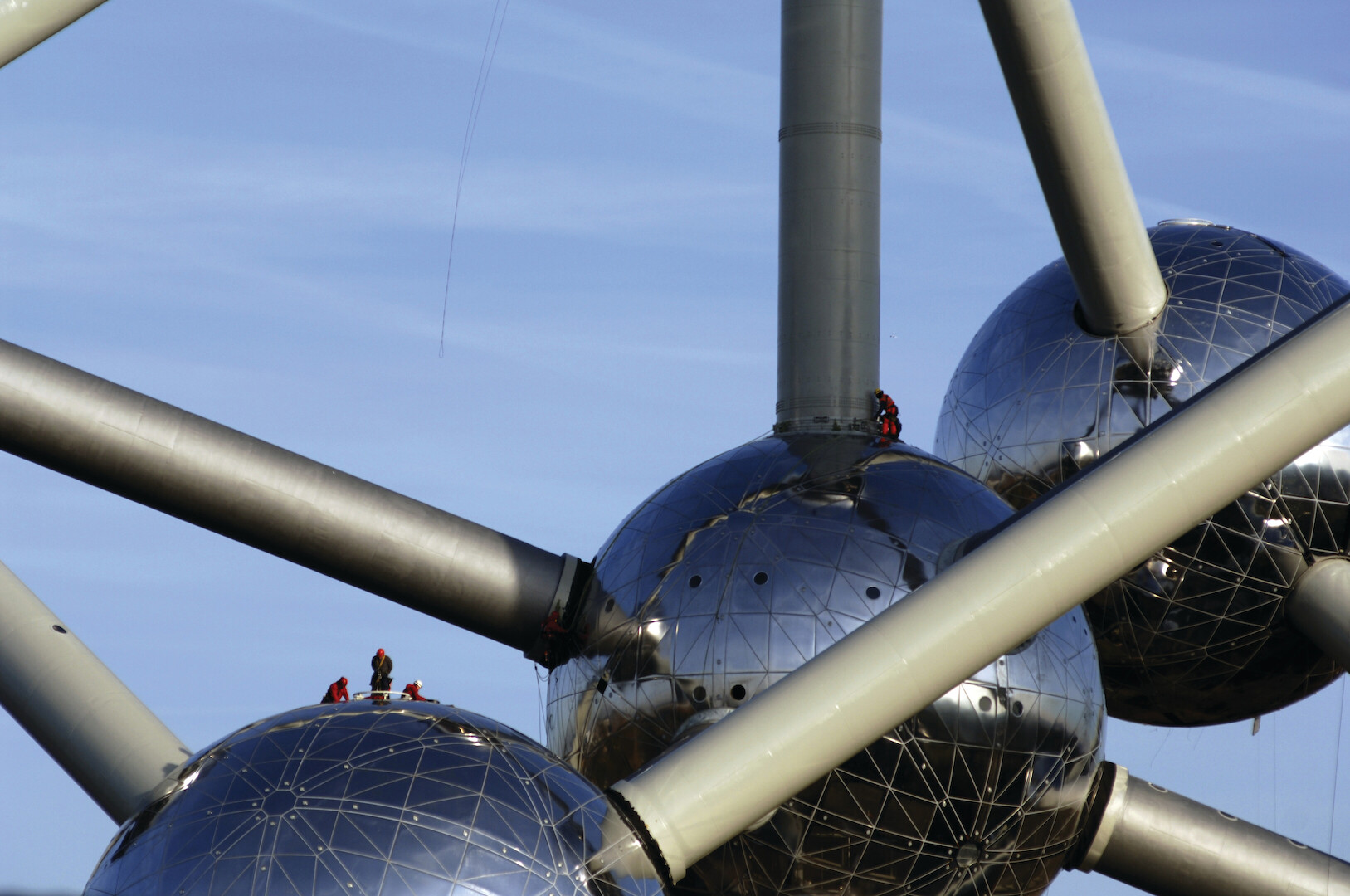
The collaboration with contractors Jacques Delens–Besix was technically exceptional and was carried out using specialized rope-access technicians, without large-scale scaffolding. The load-bearing steel structure was inspected, sandblasted, locally reinforced and fully protected against corrosion. The ageing aluminium outer skin of the spheres was replaced by a new stainless-steel envelope composed of insulated sandwich panels. The result was a restored sheen and a significant increase in durability. In addition, fire safety was improved, technical installations were updated and windows, joints and waterproofing were renewed. The integrated exterior lighting was upgraded, with a contemporary lighting concept subtly referencing the original idea of electrons moving around a nucleus.
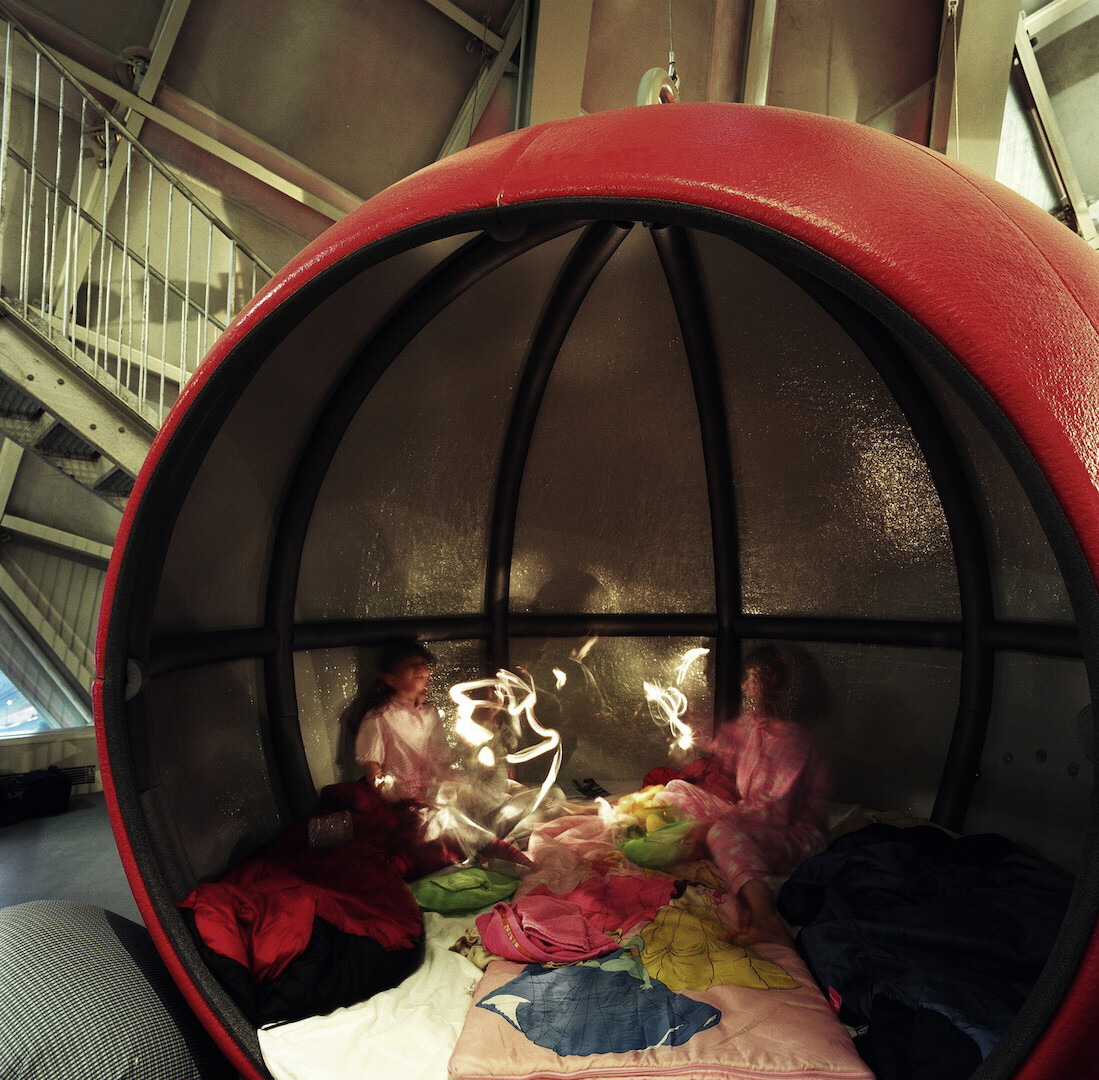
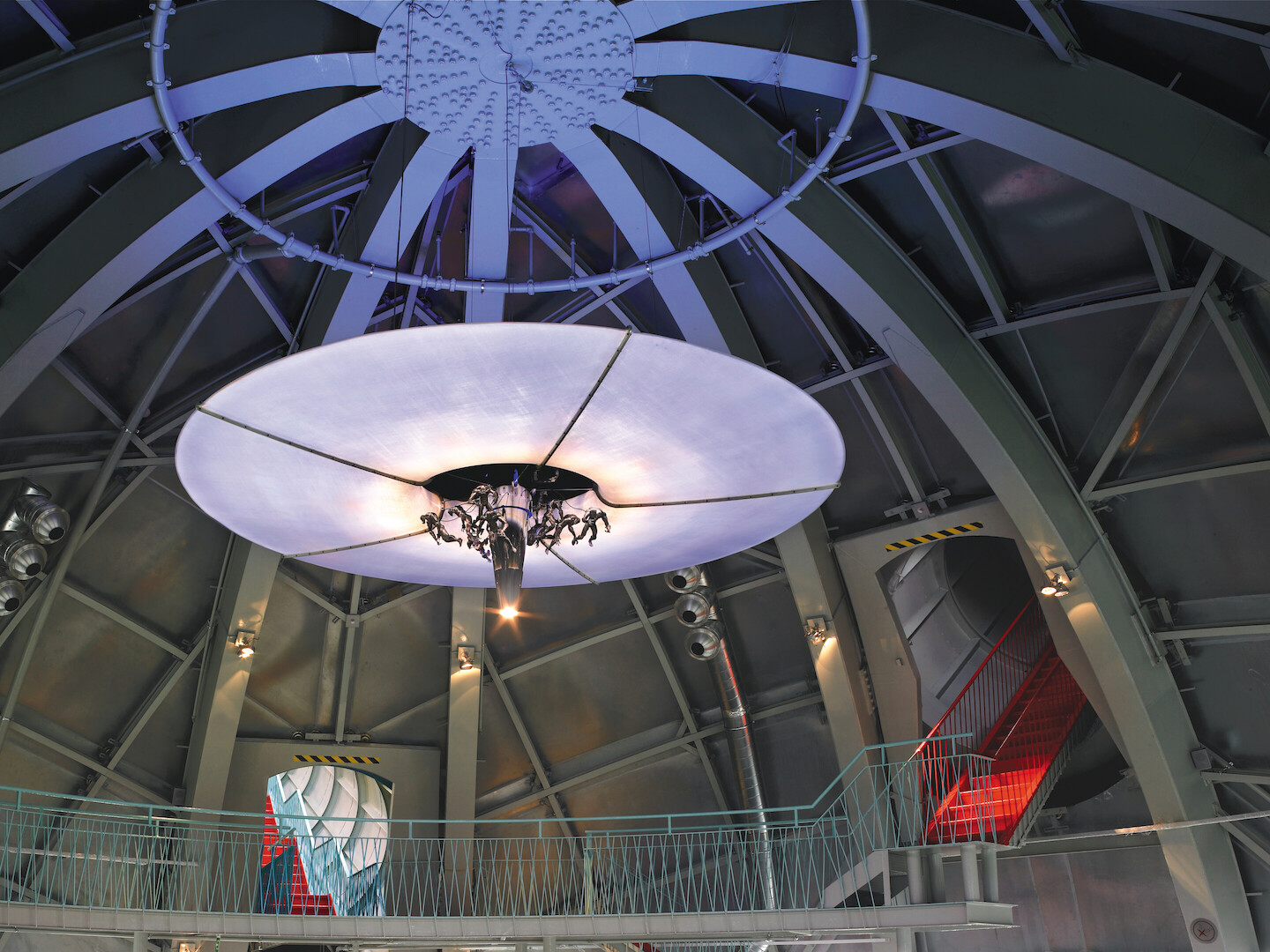
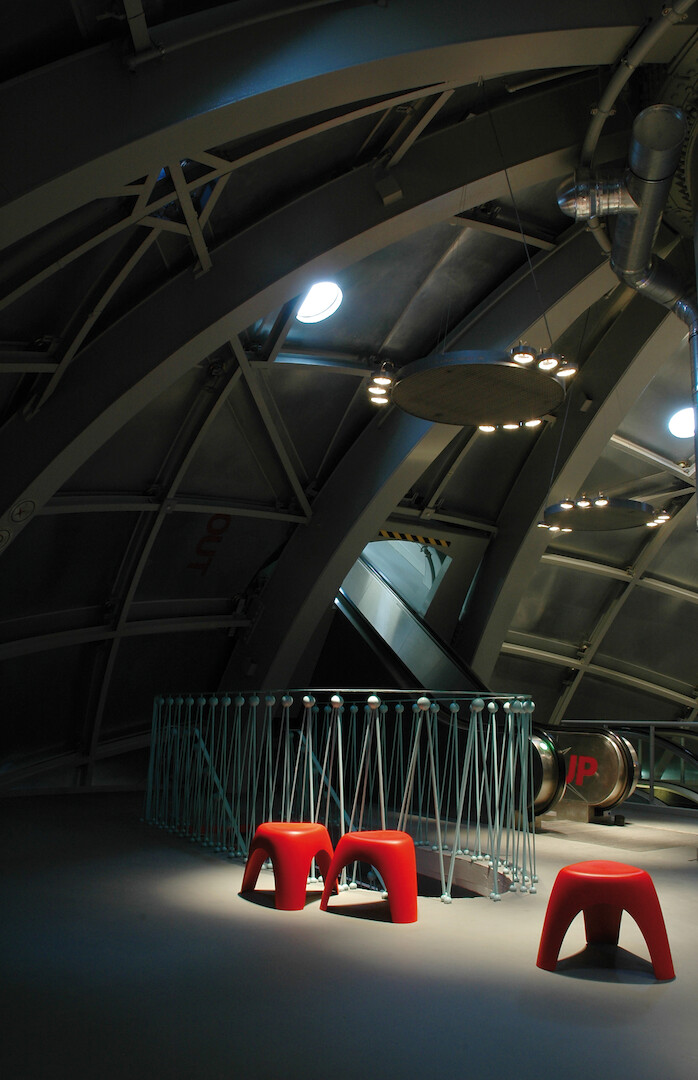
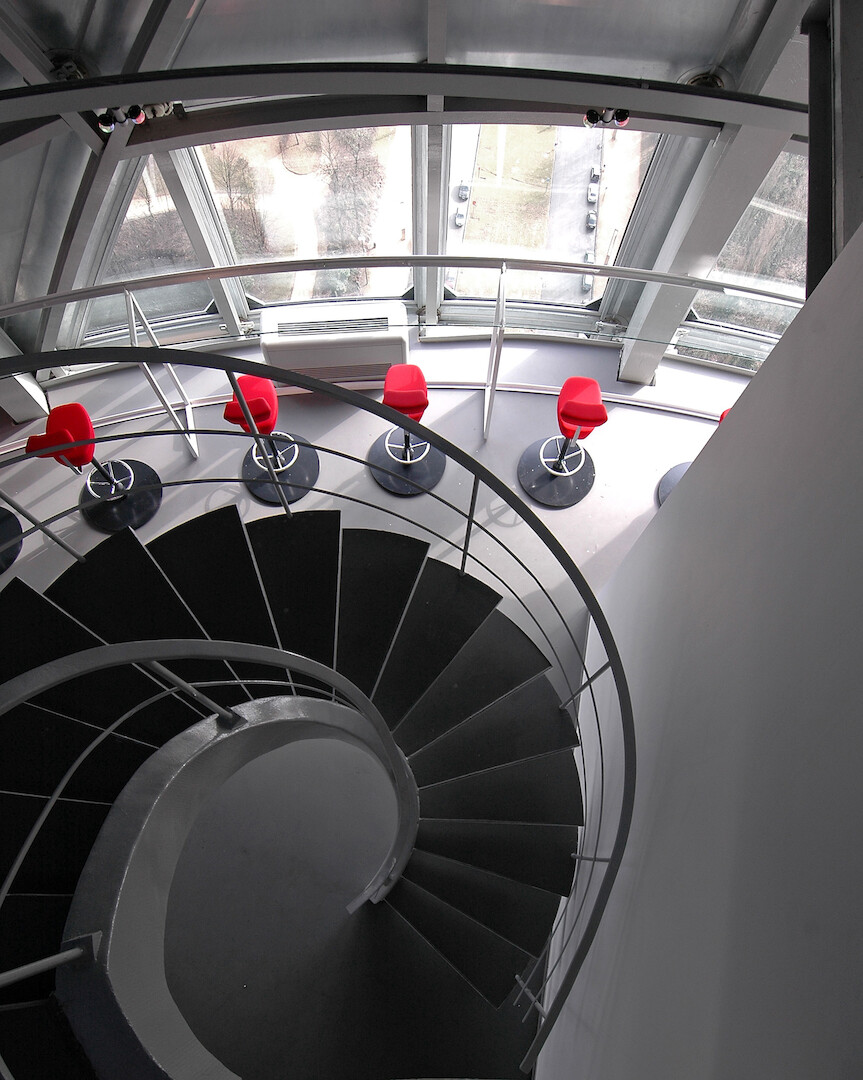
The interior was stripped back and reconfigured through minimal, yet targeted interventions. The focus lay on restoring the original atmosphere, spatial continuity and the characteristic sphere feeling. In this way, the Atomium was repositioned as an experience-driven monument for the 21st century. The interiors of the spheres deliberately refer back to the origins: red marks the escape routes, blue guides the visitor route and grey forms the base colour of the structural elements. This colour coding is consistently applied in both fixed and loose furniture.
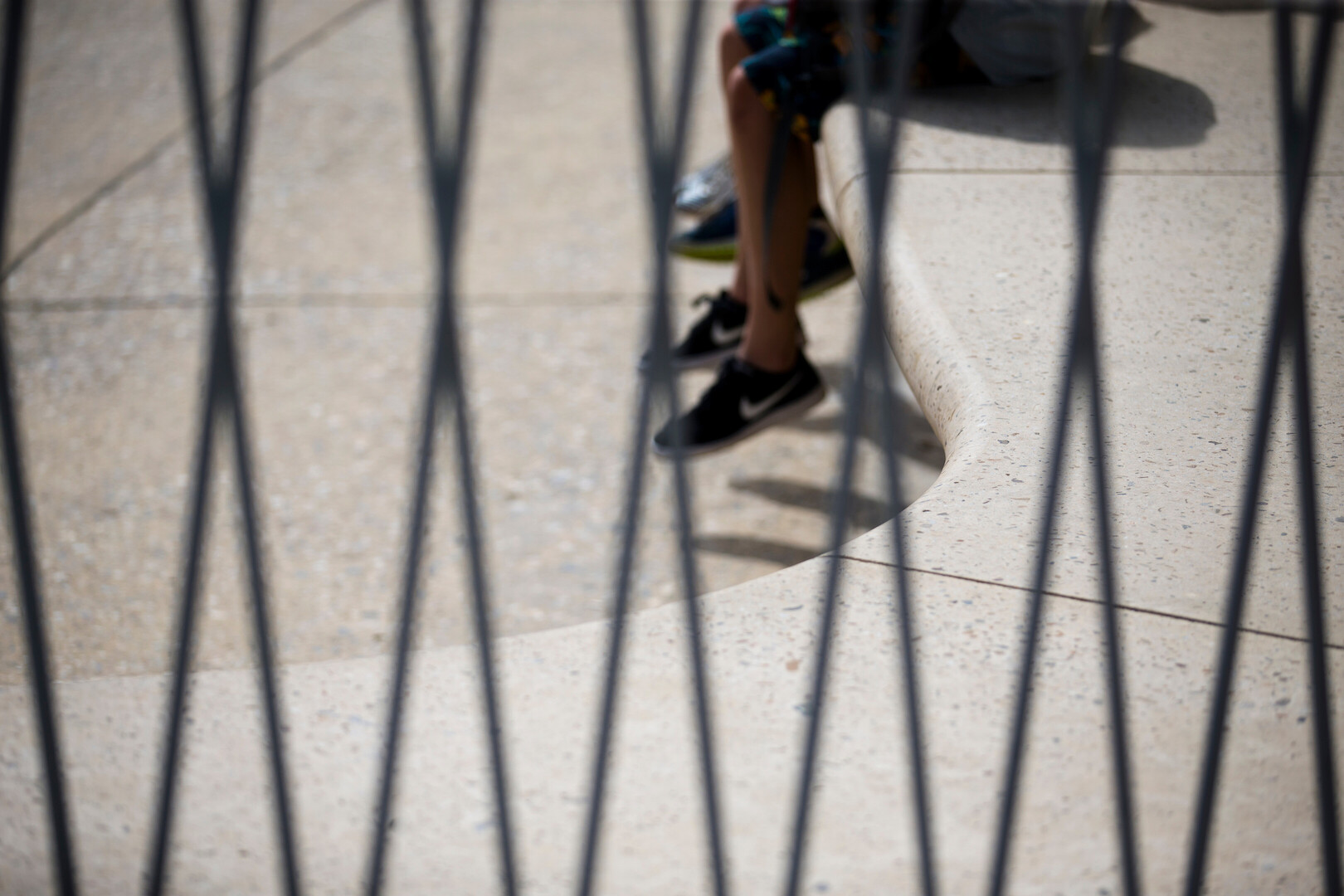
After founding VIVA Architecture in 2012, Sylvie Bruyninckx remained involved in further interventions on the Atomium site. VIVA designed the long, curved bench around the Galette, which not only enhances the use and experience of the square but also provides an integrated solution for basement and ventilation openings. In this way, the Atomium demonstrates how young heritage can continue to evolve: through thoughtful interventions, past and future are reconciled.
Similar work
All projects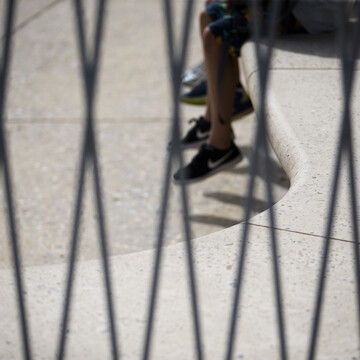
De bank
Urban bench for the Atomium
Architecture
City life
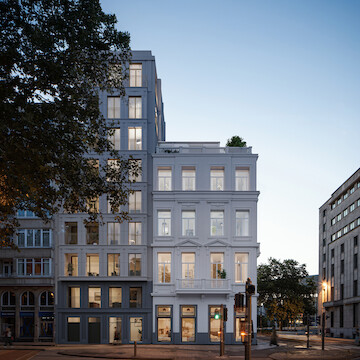
Mirador
Neoclassical grandeur meets contemporary living at a prominent location
Architecture Interior design
City life Adaptive Reuse
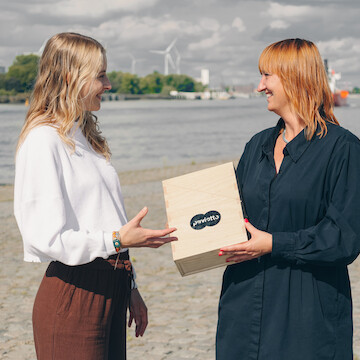
VIVA × Paviotto
Material Meets Character: Paviotto Box Showcases Terrazzo, Parquet and Poured Flooring in VIVA’s Colourful Signature Style
Architecture Interior design
Adaptive Reuse Renovation Collab
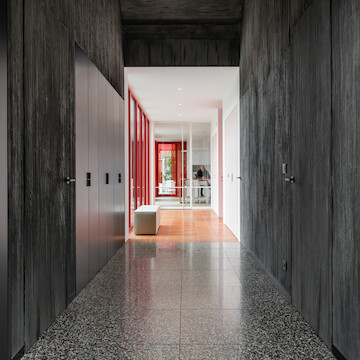
Dialogue between opposites
Family home combines adaptive reuse and new construction
Interior design
Adaptive Reuse Renovation
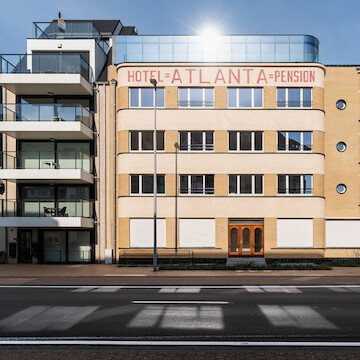
Atlanta
Adaptive reuse of a hotel into residential apartments
Architecture Interior design
Wood constructions City life Adaptive Reuse
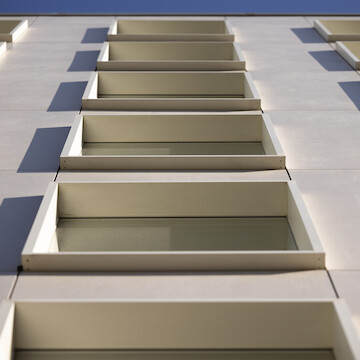
In between
Facade renovation with an eye for rhythm and detailing
Architecture
Wood constructions Renovation
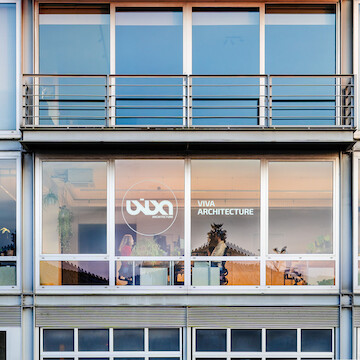
VIVA Office
A soft-hued creative hub in the heart of Antwerp
Interior design
New ways of working - NWOW Renovation
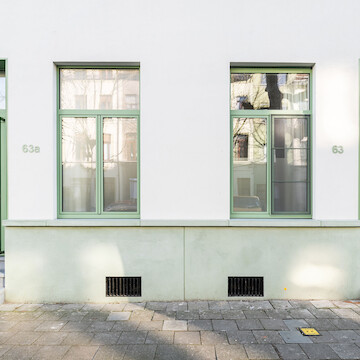
1 plus 1 is 1
Two dwellings merged into one residential complex
Architecture
City life Renovation
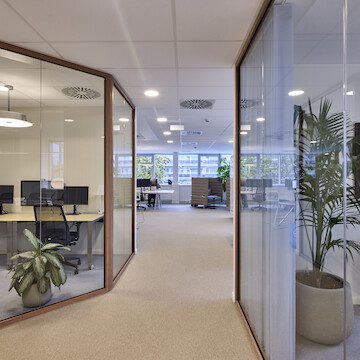
Space well done
Circular interior renovation and office optimization in Antwerp
Interior design
New ways of working - NWOW Renovation
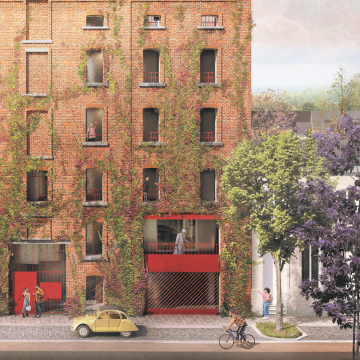
Blueberry Hill
Transformation warehouse into 18 residential apartments
Architecture Interior design
Wood constructions City life Adaptive Reuse
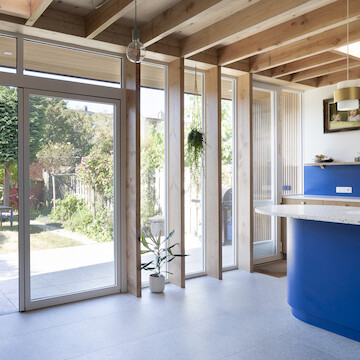
Kitchen blues
Extension residence and interior design kitchen and living room
Architecture Interior design
Wood constructions City life Renovation
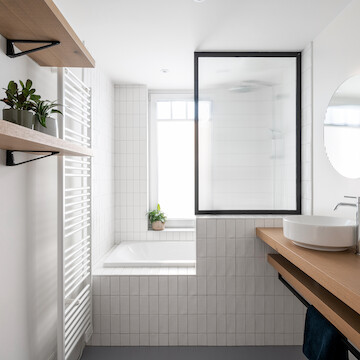
Room to bath
Transformation of office space into bathroom
Interior design
City life Adaptive Reuse
tranSITion
Interior design entrance area of office building
Interior design
New ways of working - NWOW City life
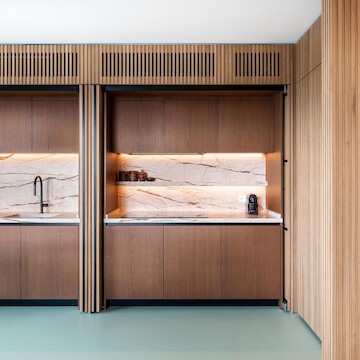
Gustav
Interior design of newly built apartment
Interior design
City life
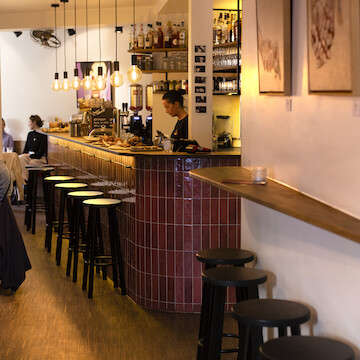
Revista
Interior design for the Revista, from coffee bar by day to cocktail bar by night.
Interior design
City life Renovation
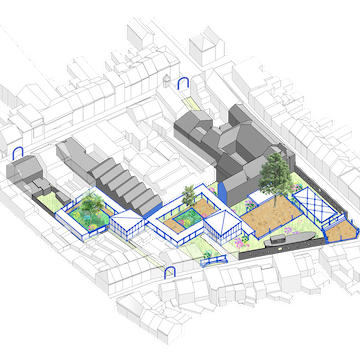
Globetrotter
Transformation meeting house 'De Globetrotter'
Architecture Master planning
City life Adaptive Reuse
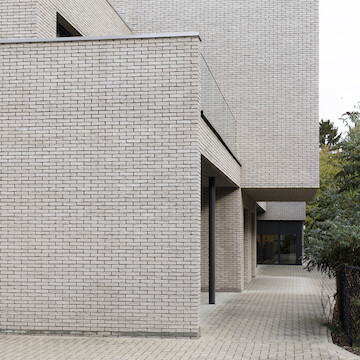
De kleine kasteeltjes
Newly built residential care center with 32 care rooms
Architecture Interior design
New ways of working - NWOW City life
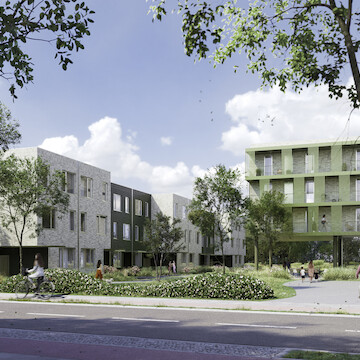
Parkwijk
Sustainable new project in solid wood construction consisting of a mix of 74 residential units
Architecture Master planning
Wood constructions City life
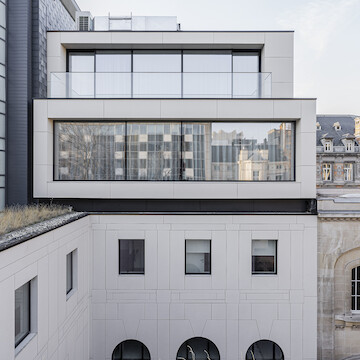
The Duke
Renovation protected office building
Architecture Interior design
New ways of working - NWOW City life Renovation
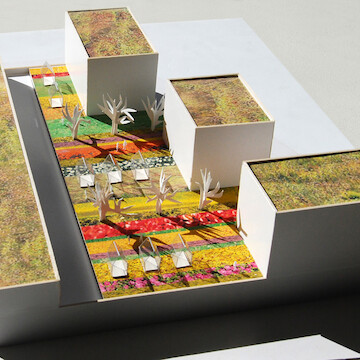
Zilverkwartier
Retail space, 25 one family houses, 32 apartments and urban farm
Architecture Master planning
City life
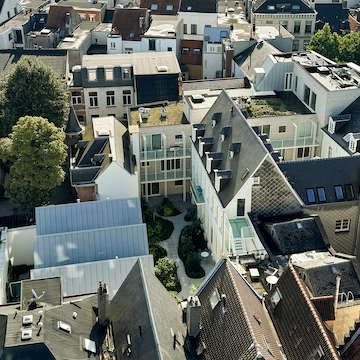
Regency Gardens
Adaptive reuse of listed building with new-build homes
Architecture Interior design
Wood constructions City life Adaptive Reuse
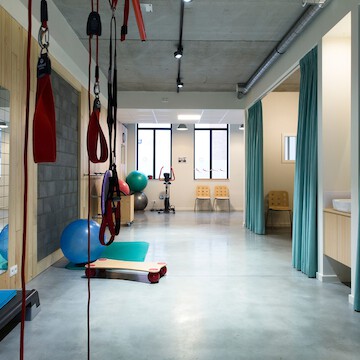
Work out
Interior design physio space
Interior design
New ways of working - NWOW City life
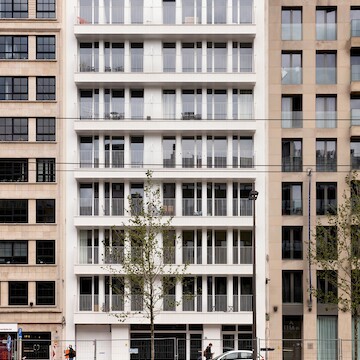
White housing
Repurposing office building to residential apartments
Architecture Interior design
Wood constructions City life Adaptive Reuse
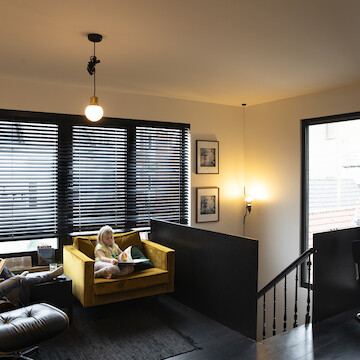
Duo house
Merger of two buildings into an authentic home
Architecture Interior design
Wood constructions City life Renovation
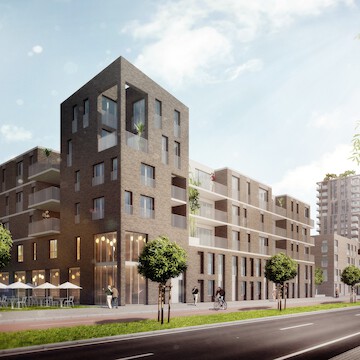
Stapelstede
Between dock and boulevard, 33 houses and 112 apartments
Architecture Master planning
City life
More about the ceiling
Interior renovation of a school building, the sequel
Interior design
New learning spaces Renovation
Park life
Park area with 12 one-family houses, 36 apartments and 24 senior flats
Architecture Master planning
City life
At the hairdresser's
Renovation, expansion and custom design of a hair salon
Architecture Interior design
Renovation
Langs de kade
Room with a view, winning competition design for 30 one-family houses
Architecture Master planning
Wood constructions City life
It's all about the ceiling
Interior renovation of a school building
Interior design
New learning spaces Renovation

Hollebeek park
26 park apartments
Architecture Master planning
City life
Hansa
Exposed essentials, refurbishment of an office floor
Architecture Interior design
New ways of working - NWOW City life Renovation
Campus Minerva
Renovation and repurposing of university buildings for the product development faculty
Architecture Interior design
New learning spaces City life Adaptive Reuse Renovation
3 Doors
Refurbishment of a loft space
Interior design
City life Renovation